Blog
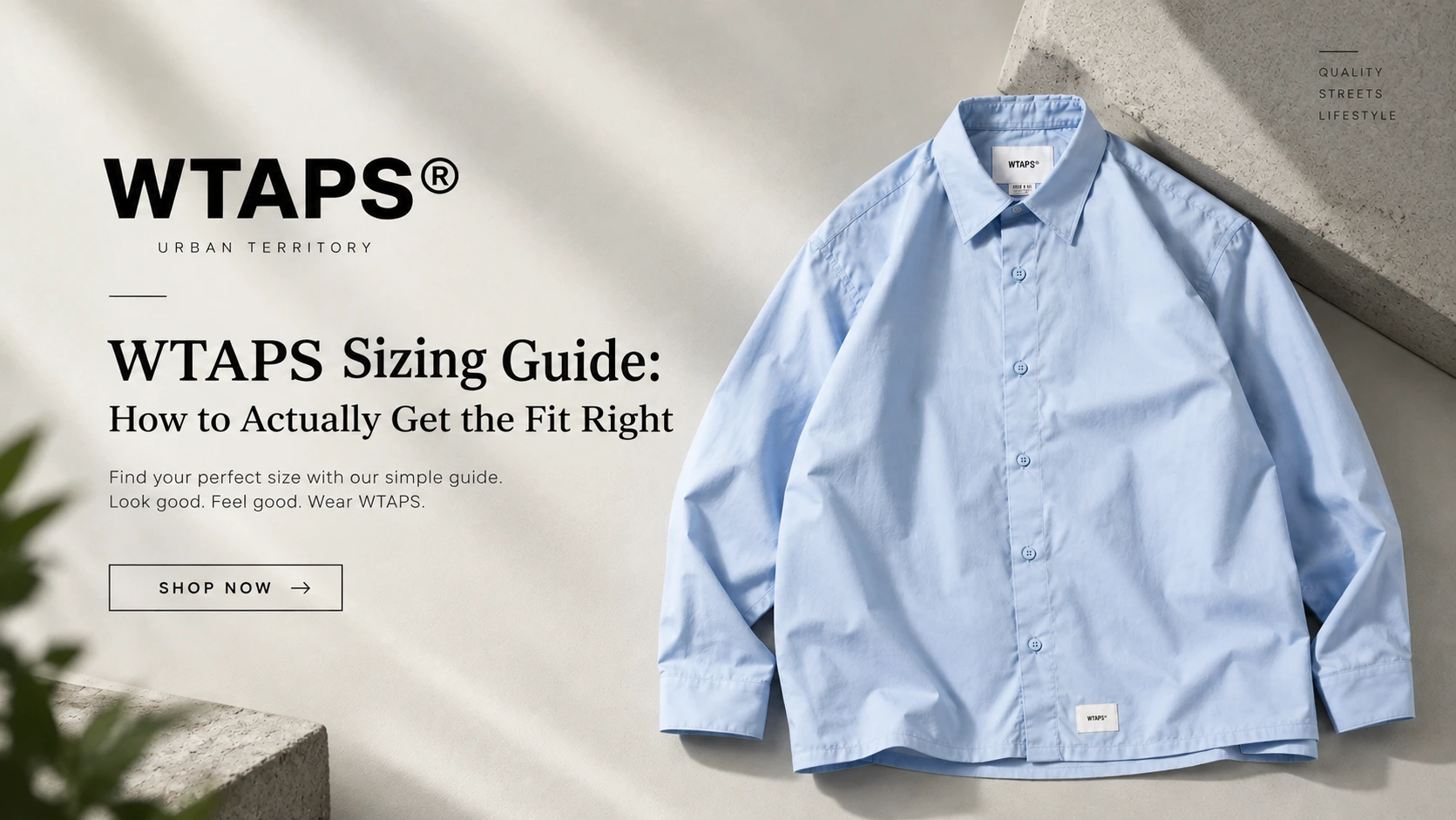
WTAPS Sizing Guide: How to Actually Get the Fit Right

Why Fit Matters More With WTAPS Than With Most Brands
Half of what makes WTAPS work is proportion. Not “does it fit,” but how it sits — the drop of a shoulder, the way a hem lands, how a jacket behaves once you’ve got a hoodie underneath it. So no, you can’t just order your usual size and call it a day. Fabric weight, cut, the silhouette a piece is actually built for, how you’re planning to wear it — all of that changes the equation. And since you’re not trying anything on before it ships, guessing gets expensive fast. Tee, hoodie, shirt, jacket, sweats, shorts, pants — it doesn’t matter the category; knowing real numbers beats hoping for the best every time.
Stop Looking at the Label First
This is the mistake almost everyone makes. You see “M” and your brain goes “okay, medium, I know medium.” Except a medium cut one way can feel completely different from a medium cut another way — shoulders, body width, sleeve length, rise, length, all of it shifts between styles. So before you pick a size, actually look at what silhouette that specific piece is going for. Some things are meant to hang loose. Some are cut close and clean. Photos give you a vibe, sure, but they won’t tell you what you need to know. If you’re on wtaps 通販, just take the extra thirty seconds and pull up the actual measurement chart instead of trusting muscle memory.
The Best Trick: Measure Something You Already Own
Genuinely, this is the move. Grab a tee, a hoodie, whatever’s closest to what you’re about to buy, lay it flat, and measure it. For tops, you want chest width, shoulders, sleeve length, body length. For pants — waist, rise, inseam, thigh, leg opening. It doesn’t need to be WTAPS. It doesn’t need to be an exact match. All you’re doing is giving yourself a number you already trust. Once you know “this fits me the way I like,” you can hold that up against a new listing and immediately know whether it’s going to feel tight, loose, or right dandyhat.com.co/dandy-hat
Chest Width Sets the Whole Tone
For any top, chest or body width is doing most of the heavy lifting on how the fit reads. Go narrow, and it’s clean. Go wide, and it’s that loose, roomy streetwear thing. But — and this trips people up — wider isn’t automatically better. Stack a too-wide top on top of wide pants and bulky sneakers and suddenly the whole fit looks like it’s wearing you instead of the other way around. Think about how much room you actually like, not how much room looks cool in a look book photo, and check that against stuff already in your closet. Width doesn’t live on its own — it’s working with shoulder, sleeve, and length whether you think about it or not.
Shoulders and Sleeves Change Everything
Chest measurement feeling good doesn’t mean the whole top is right. Shoulder width alone can shift a piece from clean to relaxed. And sleeves — sleeves that run short make a big piece look wrong even if everything else fits. Sleeves that run long just get in the way. When you’re checking a new piece against something you own, actually look at where the seam sits on your shoulder and how the sleeve hangs when your arm’s just relaxed at your side, not flexed or posed. Matters a lot for hoodies, sweatshirts, long-sleeves, jackets — basically anything you’ll be layering or wearing on repeat.
Length Is the One Everyone Forgets
You’ll get the width right, the shoulders right, and still end up disappointed because the thing hits three inches lower than you expected. Length changes everything about how a piece reads on your body, and it’s the easiest measurement to skip when you’re just scrolling product photos. Think about where your favorite tees and jackets actually sit and use that as your baseline. It gets even trickier with layering — a long hoodie under a short jacket looks completely different than a long hoodie under a long coat. There’s no universal “correct” length here. It’s whatever works with your body and whatever else you’re planning to wear it with.
T-Shirts and Long Sleeves
Easiest category, honestly, but you still want to check width, shoulder, sleeve, and length before assuming it’s fine. A balanced tee works for basically everything — enough room to move, not so much you’re swimming in it. If you’re into the more relaxed streetwear proportions, a slightly loose tee looks great with straight or wide trousers. Cleaner fit, more contrast with baggier pants. Long-sleeves need a bit more thought on the sleeve length specifically — they’ve got to move with you and still fit comfortably under a jacket without bunching up at the wrist.


Shirts and Overshirts Are Trickier Than People Think
The issue with shirts is they don’t have one job. Buttoned up as your main top, you probably want it fitted. Worn open over a tee as a layering piece, you probably want more room. So before ordering off wtaps 通販, figure out which one you’re actually going to do most, then measure accordingly. If you’re the type who layers an over shirt over a sweatshirt, leave yourself room through the chest and shoulders — nothing worse than a shirt that technically fits but chokes the second you add a layer. Size for how you’ll wear it, not for whatever size worked on the last tee you bought.
Hoodies and Sweatshirts
These are supposed to have some room — that’s the point. But there’s a real difference between “relaxed” and “swimming in it,” and the line is closer than people think. Check shoulder, body width, sleeve, and length as a set, not one at a time. Cleaner look? Watch the width, don’t overdo it. Full streetwear thing? Lean into the extra room. And factor in layering — a sweatshirt you’re wearing under a jacket needs more space than one you’re wearing alone. Don’t just default to sizing up. Actually check the numbers against something you already trust.
Jackets Are the Hardest Category, Full Stop
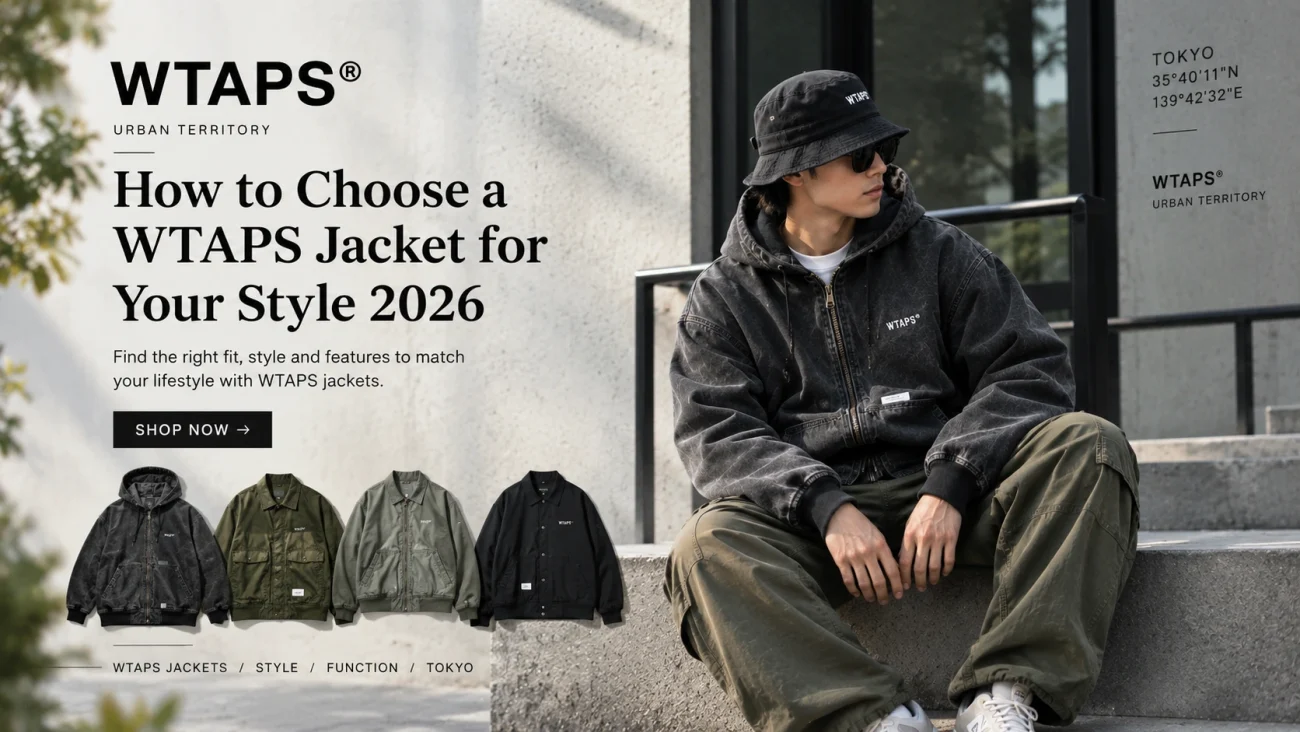
Outerwear has to work with everything under it, which is what makes it so annoying to size right. Fits great over a tee, feels like a straightjacket the second you add a hoodie. So think about your actual layering habits before picking a size — not your ideal layering habits, your real ones. Compare the jacket to an outer layer you already own and trust, factoring in what you’ll typically have on underneath. That said, don’t go two sizes up just to be safe — you’ll wreck the whole silhouette and end up with something shapeless. The goal is room to move and layer without losing whatever made you want the jacket in the first place.
Pants: Waist Is Only Part of the Story
People obsess over waist size and forget everything else. Rise, thigh, inseam, leg width, leg opening — that’s what actually decides how a pair of pants looks and feels, not just whether the waistband fits. A good waist lets you move without tugging at it all day, but the leg shape is what determines whether it matches the silhouette you’re actually going for. Wide leg reads totally differently from straight or slim, and there’s no “correct” answer — it’s about your wardrobe and what you’re used to. On wtaps 通販, measure against a pair you already own, and think about the shoes you’ll actually wear with them. That tells you more than the waist number ever will.
Figure Out What You Actually Like First
Before buying into WTAPS at all, take a second and think about what “right fit” even means to you. Not some universal answer — your answer. Some people want room everywhere. Some people want everything clean and controlled. Look at what you already reach for constantly and figure out why it works — wider shoulders? more room through the body? longer sleeves? shorter length? Once you know that, shopping stops being a guessing game off a size chart and starts being a comparison against a fit you already understand.


Yes, Your Shoes Actually Matter Here
Sounds obvious once you say it, but footwear changes how pants and relaxed fits read on you. Chunky sneakers can balance out wide trousers. Slim shoes do something totally different with the exact same pair. You don’t need to build every purchase around your shoe rack, but keep it in the back of your mind — it affects whether the whole outfit looks intentional or just baggy. Same logic applies up top too. A relaxed hoodie pairs differently depending on what’s happening below the waist.
Shopping Online Without Getting Burned
Photos can’t tell you how something fits your specific body — that’s just the truth of buying clothes online. Start with the measurements first, let the photos fill in the rest. Treat the model in the pictures as a vibe check, not a sizing reference — height and build vary way too much for that to actually help you. If there’s fit info or fabric notes in the listing, factor those in too. A few extra minutes checking numbers before you hit checkout saves you from that specific disappointment of a package arriving in “your size” that still somehow doesn’t fit right.
Using wtaps 通販 Without Rushing It
Easy access to a big catalog is great, but don’t let that convenience talk you into skipping the sizing step. Before you finalize anything, actually read through the measurements and stack them against pieces you already own — especially if you’re buying a category you haven’t tried before, since your tee size means nothing for jackets or pants. Stuck between two sizes? Think about how you’ll actually use the piece, how much you’ll be layering, what silhouette you’re going for. A layering piece can handle extra room. An everyday top probably shouldn’t. Basing it on real measurements and actual use beats any blanket “size up” rule you’ve heard online.
Bestsellers
-
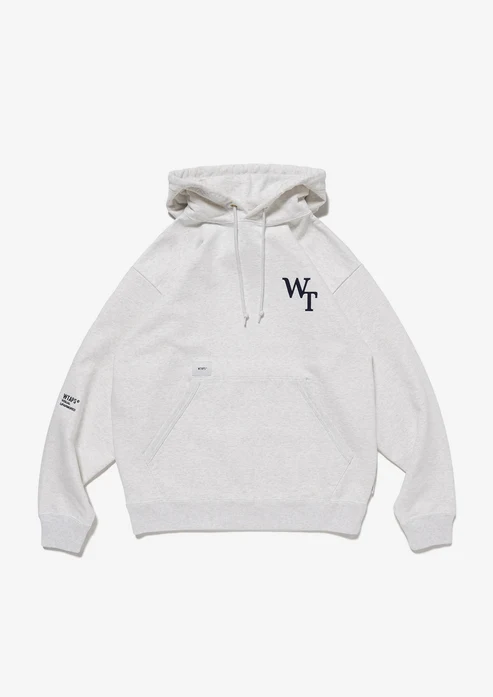
WTAPS ACADEMY / HOODY / COTTON
¥31,900.00 -
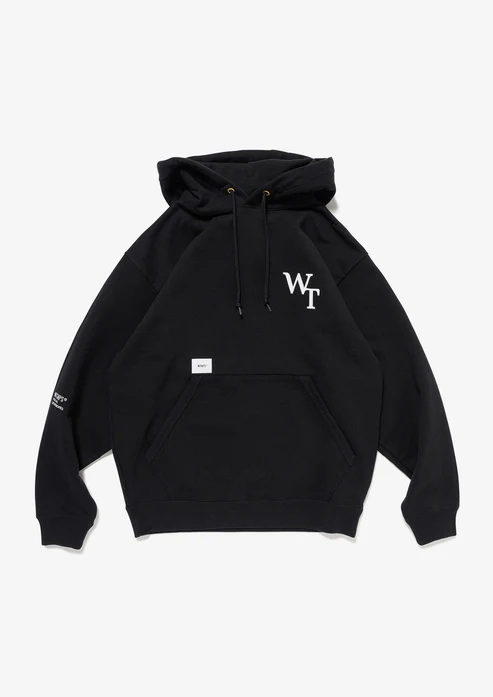
WTAPS ACADEMY / HOODY / COTTON Black
¥31,900.00 -
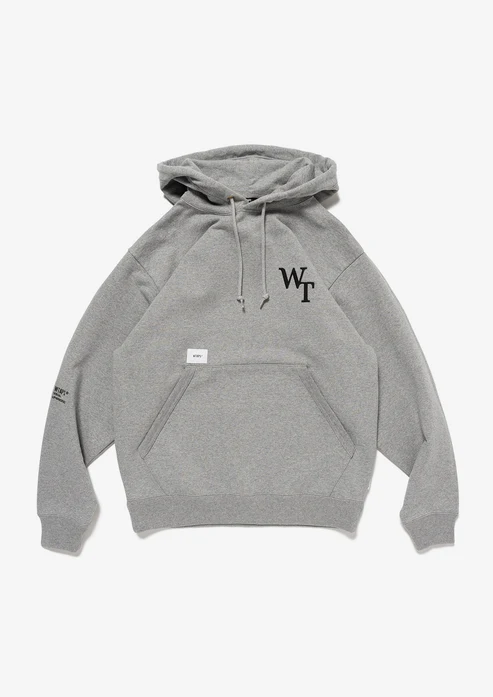
WTAPS ACADEMY / HOODY / COTTON Grey
¥31,900.00 -

WTAPS ACADEMY / JACKET / WOPL. SERGE
¥69,300.00 -

WTAPS ACADEMY / JACKET / WOPL. SERGE Black
¥69,300.00 -

WTAPS ACADEMY / SS / COTTON
¥15,400.00
Mistakes People Keep Making
Assuming every WTAPS piece is cut the same way — that’s a big one, and it’s just not true; different designs mean different silhouettes even under the same label. Sizing based on height alone is another trap; two people the same height can have completely different shoulders, waists, everything. Ignoring how a piece is meant to be worn is another one — a lightweight tee and a heavy layering jacket play by totally different rules. And probably the most common mistake of all: defaulting to your usual size out of habit instead of actually checking the numbers. It’s a fine starting point. It shouldn’t be the whole decision.
Sizing Changes With the Season
What “right size” even means shifts depending on when you’re wearing it. Summer stuff tends to sit closer to the body. Cold-weather pieces need room for whatever you’re layering underneath. Be realistic about how you’ll actually wear something across a season instead of judging it in a vacuum. Buying a winter jacket? Measure it accounting for the hoodie or sweatshirt you’d normally have on underneath. Buying a summer shirt for light layering? You probably don’t need all that extra room. Plan the layering out ahead of time and the size you land on will actually hold up once the weather shifts.
Once You Know Your Numbers, Everything Gets Easier
Once you’ve actually got a handle on your own measurements, shopping stops being stressful — you’re comparing against your own reference point instead of starting from scratch every single time. Doesn’t mean everything in your closet needs to match proportions exactly. You can have relaxed tees, structured jackets, comfortable sweats, and a few different pant silhouettes and it can still feel like one wardrobe. Knowing your numbers just means you’re choosing those differences on purpose instead of guessing. That’s really the whole game — over time you start knowing exactly what works on your body without having to relearn it every time you shop.
Bottom Line
Sizing WTAPS right comes down to actual measurements, your own preferences, and being honest about how you’ll wear a piece — not defaulting to whatever size feels familiar. When you’re on wtaps 通販, use what’s in front of you: read the measurements, think through layering and footwear and season, and figure out the silhouette you actually want before you check out. Takes a few extra minutes. Saves you from a closet full of stuff that’s technically your size and still doesn’t feel right wtapss.com
FAQ
Is WTAPS true to size?
Depends heavily on the piece and its intended silhouette. Checking real measurements against something you already own beats trusting the size label alone, every time.
Should I size up or down?
No universal answer here. Comes down to the specific garment, the fit you’re going for, and whether you’re layering underneath it.
What should I actually measure before buying?
Tops: chest, shoulders, sleeve length, body length. Pants: waist, rise, inseam, thigh, leg opening.
Anything specific to check on wtaps 通販?
Same as anywhere — measurements against something you own, plus fit intent, layering needs, and fabric.
How should a relaxed WTAPS fit actually look?
Comfortable room, but balanced — check width, shoulders, sleeves, and length together instead of just sizing up across the board.